When we think about baby skincare, our minds usually jump to chubby cheeks, soft thighs, and keeping the diaper area rash-free. But there’s one patch of skin that often gets overlooked until flaking or redness appears: the scalp.
Just like the rest of the body, your baby’s scalp is protected by a natural skin barrier. However, infant scalp skin has its own set of rules, vulnerabilities, and needs. Understanding how this delicate barrier works is the secret to keeping your baby's head clean, calm, and flake-free.
1. What Is the Scalp Barrier, and Why Is It So Fragile?
The scalp barrier is the outermost layer of skin (the stratum corneum) combined with natural surface oils (lipids) and a protective acid mantle.

In newborns and infants, this barrier is still actively developing:
Thinner and More Permeable
Infant skin is roughly 30% thinner than adult skin, making it far more vulnerable to moisture loss and external irritants.
Sensitive Hair Follicles
The scalp features a high density of hair follicles and oil glands. When the barrier is disrupted, sebum production can become imbalanced, leading to common conditions like cradle cap or dry, itchy patches.
Delicate pH Balance
A healthy scalp barrier relies on an acidic pH environment to keep bad bacteria at bay and maintain hydration.
When you use harsh soaps, cleansers or shampoos that strip away natural oils, this fragile barrier breaks down, leading to redness, dryness, and irritation.
2. Common Scalp Struggles in Little Ones
If you’ve noticed your baby’s scalp looks a little raw or flaky, you’re not alone. The most common infant scalp concerns stem directly from barrier imbalance:

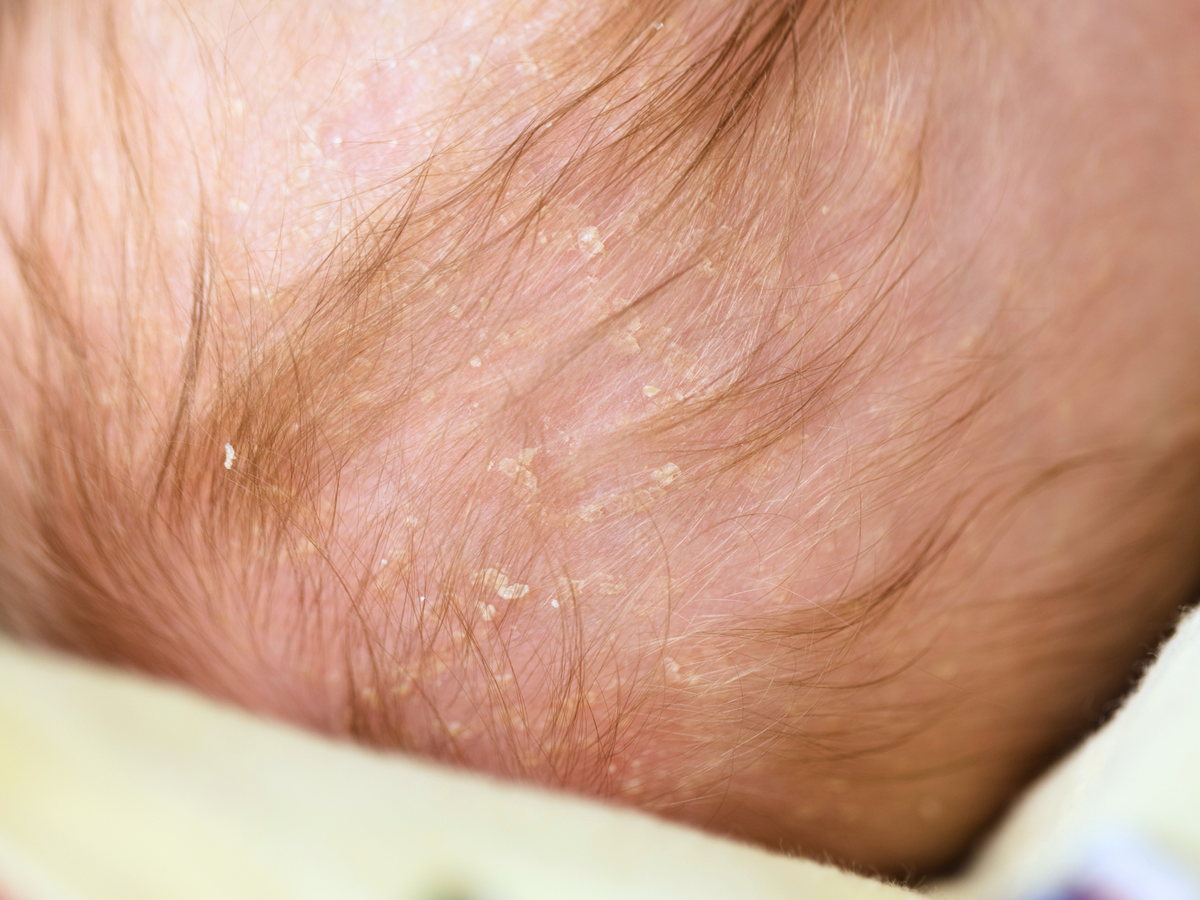
Cradle Cap (Infantile Seborrheic Dermatitis)
Characterised by yellowish, crusty, or oily patches. It’s not caused by poor hygiene, but rather an overproduction of oil mixed with natural skin yeast.

Dry Scalp & Flaking
Unlike cradle cap, dry scalp presents as fine, white, dry flakes, usually caused by low humidity, warm bath water, or stripping cleansers.

Scalp Eczema & Contact Redness
Highly reactive skin that flares up when exposed to harsh sulfates or soap-based washes.
3. What to Look For in a Scalp-Safe Cleanser
To protect a developing scalp barrier, the golden rule is gentle preservation over aggressive cleaning. Here is what a true derma-grade baby shampoo should prioritise:
|
|
|
|


4. The Daily Gentle Choice for Healthy Scalps

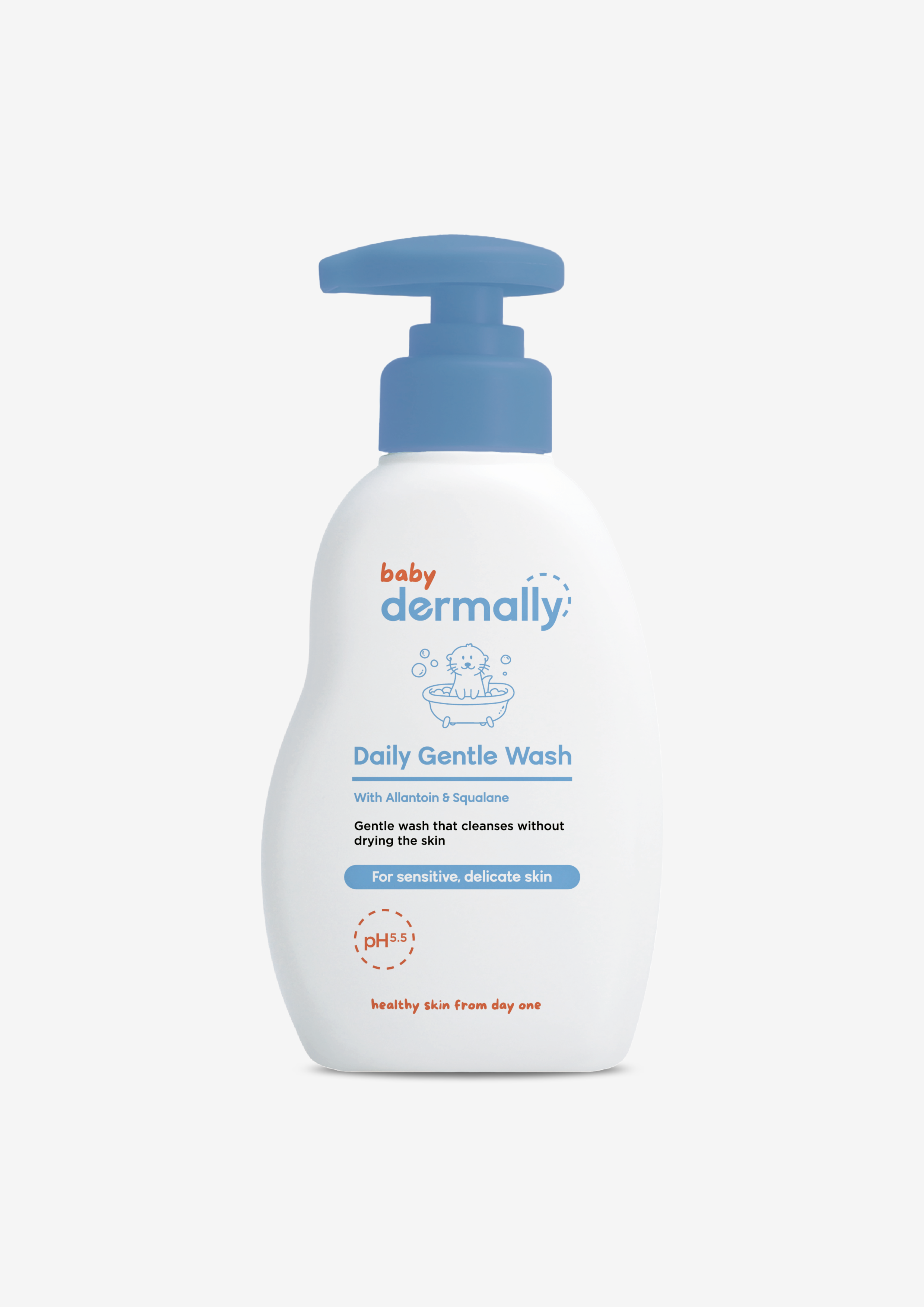
This is where our Daily Gentle Shampoo comes in. Specially formulated for delicate infant hair and scalp skin, it delivers a mild, soap-free cleanse that respects the natural scalp barrier from day one.
It gently lifts away daily buildup, sweat, and flaky residue without stripping essential moisture, leaving fine hair soft, manageable, and the scalp soothed and comfortable after every bath.
If you’re reading this as someone who deals with a hyper-reactive, eczema-prone, or easily irritated scalp yourself - here’s a little secret:This shampoo is for you too!
When your adult scalp is going through an eczema flare-up, post-treatment sensitivity, or contact dermatitis from heavy hair styling products, regular adult shampoos can feel like liquid fire. Switching to our Daily Gentle Shampoo gives your scalp an ultra-gentle “reset”. Because it’s sulfate-free, hypoallergenic, and formulated at our skin’s natural pH of 5.5, it cleanses your hair without aggravating compromised skin. Add a bottle into your own shower routine whenever your scalp needs some extra tender loving care! |

3 Golden Rules for Washing Delicate Scalps
1. Keep Water Lukewarm
Hot water strips natural oils instantly. Aim for comfortably warm bath water.
2. Use Fingertips, Never Nails
Gently massage the shampoo into the scalp using the soft pads of your fingers in circular motions to avoid scratching fragile skin.
3. Rinse Thoroughly
Ensure no cleanser residue is left behind in fine hair or behind the ears, as leftover wash can cause dryness.