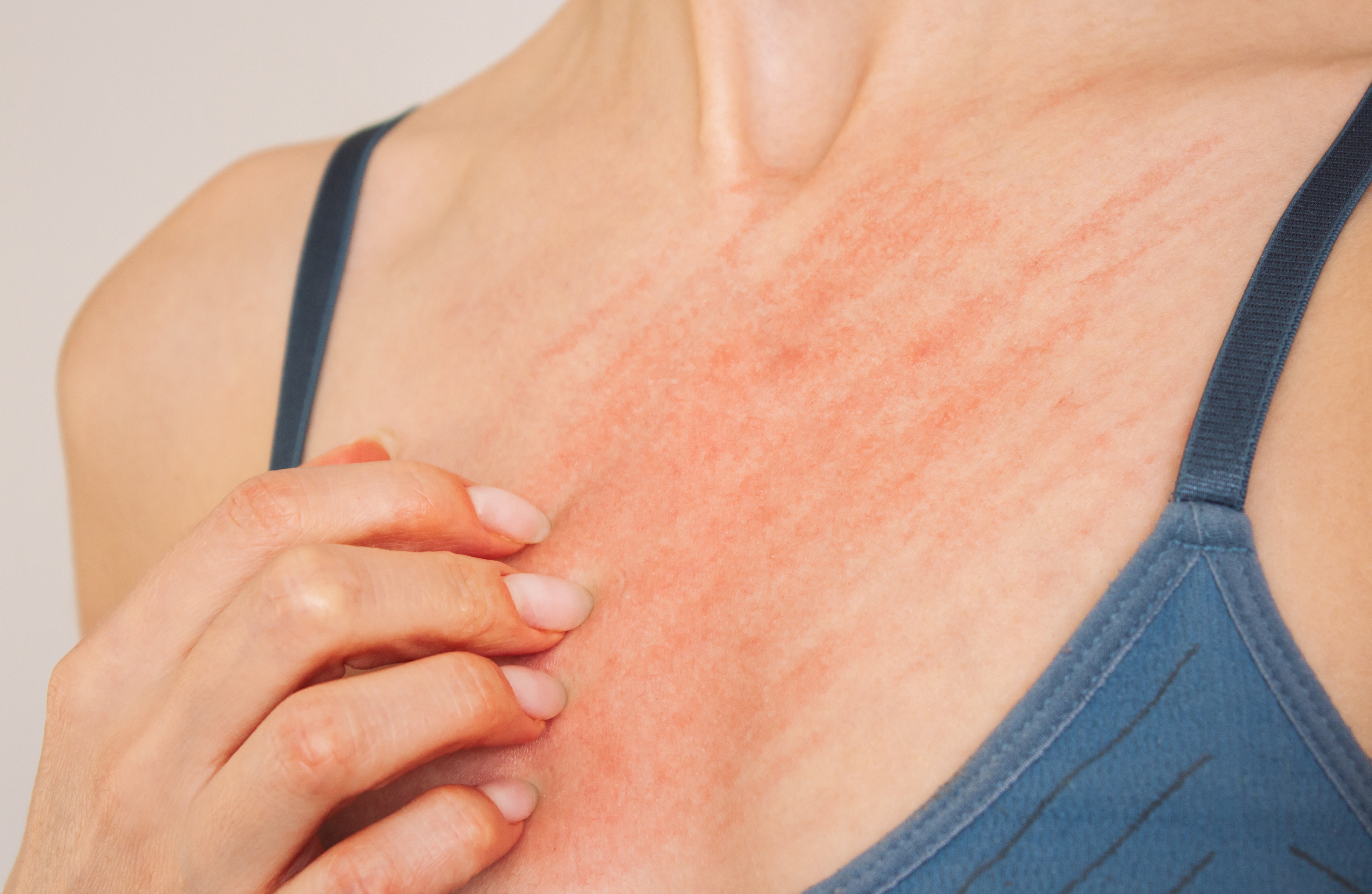
Living in a hot, humid environment can cause heat rash, characterized by red pimples, itchy spots, and a prickly sensation. Heat rash is widespread in this setting, although it does not have to be an unavoidable issue, and can be easily controlled and prevented with the correct skincare approach.
What Is Heat Rash (and Why Does It Happen)?
Heat rash, also known as prickly heat, develops when:
- Sweat gets trapped under your skin
- Pores or sweat ducts are blocked
- Heat and friction irritates the skin
This may cause red or pink bumps, itching, stinging, inflammation, and increased skin sensitivity. It typically develops in areas where sweat and friction are common, such as the neck, chest, back, underarms, and inner thighs.
Why Your Skincare Matters More Than You Think
Irritated and compromised skin worsens with the incorrect products, so managing heat rash entails not only keeping your body cool, but also supporting your skin barrier while keeping it clean and pH balanced.
- Harsh cleansers can strip away your skin's natural oil, leading to weaken skin barrier
- Heavy or pore-clogging/comedogenic products traps more sweat, making skin unable to breathe properly
- Skin recovery is delayed when both internal hydration levels and topical moisture barriers are insufficient
Step-by-Step: How to Beat Heat Rash
1. Cleanse Gently and Effectively
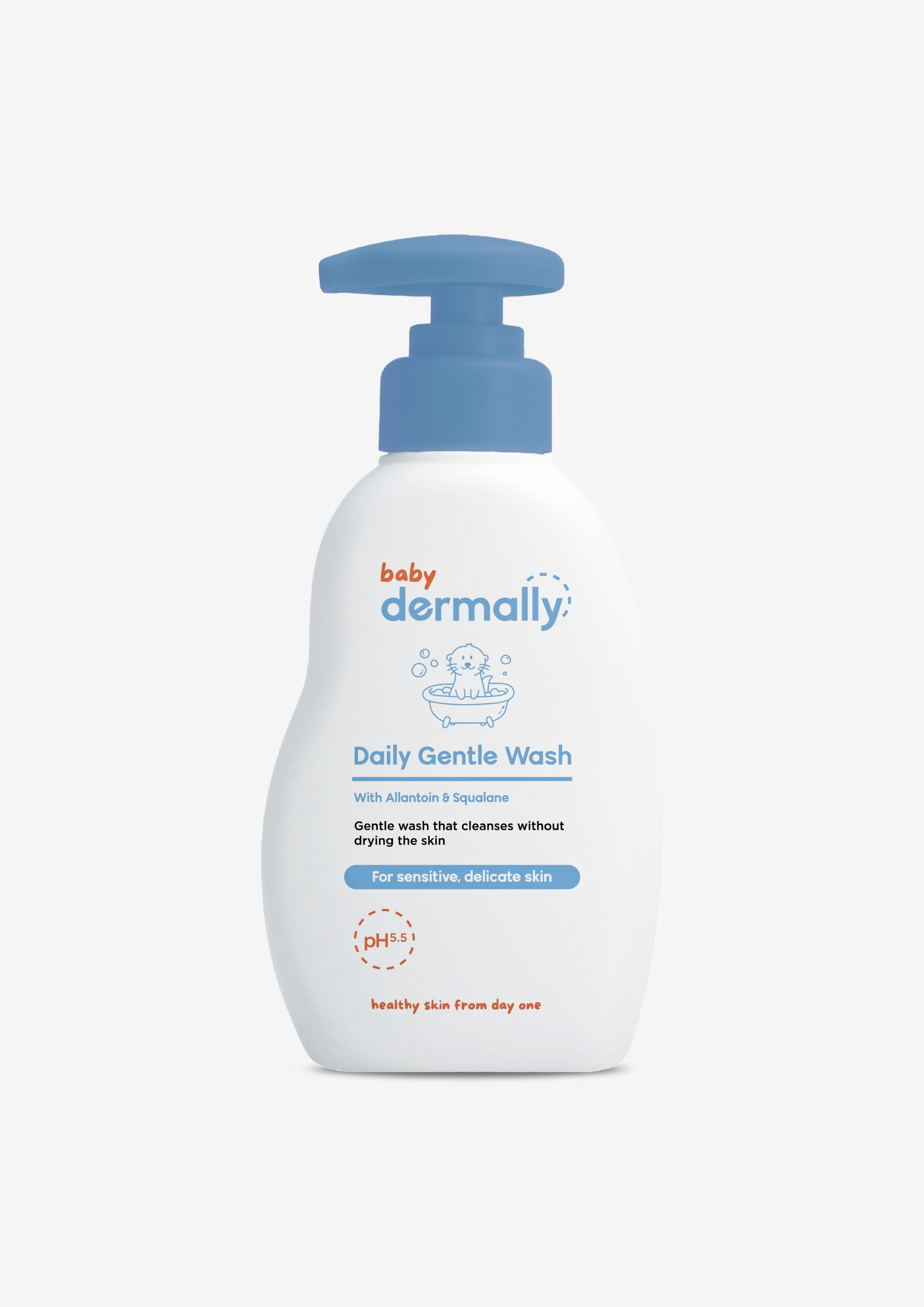
Sweat, bacteria, and oil build-up worsens heat rash, but over-cleansing or using products with strong chemicals can irritate your skin even further. Switch to a gentle cleanser that helps remove sweat and impurities without damaging your skin barrier, which is essential for our skin to return to its most balanced state.

Tips for improving dry, sensitive skin:
- Cleanse 1–2 times daily
- Use pH-balanced formulations
- Avoid strong chemicals and fragrances
|
Key ingredients in Dermally Hydrating Barrier Wash
|
2. Target Sweat and Acne-Prone Areas
In areas where heat rash overlaps with body acne (such as the back or chest), more targeted ingredients may be required to reduce acne bumps and redness. This is especially useful if your heat rash causes congested pores or minor breakouts.

Tips for treating oily and acne prone skin:
- Use an acne-prone focused cleanser on affected areas
- Avoid overusing active ingredients (e.g. combining tea tree oil with BHA, retinol and/or benzoyl peroxide)
|
Key ingredients in Dermally Acne Face & Body Wash
|
3. Repair & Strengthen Your Skin Barrier
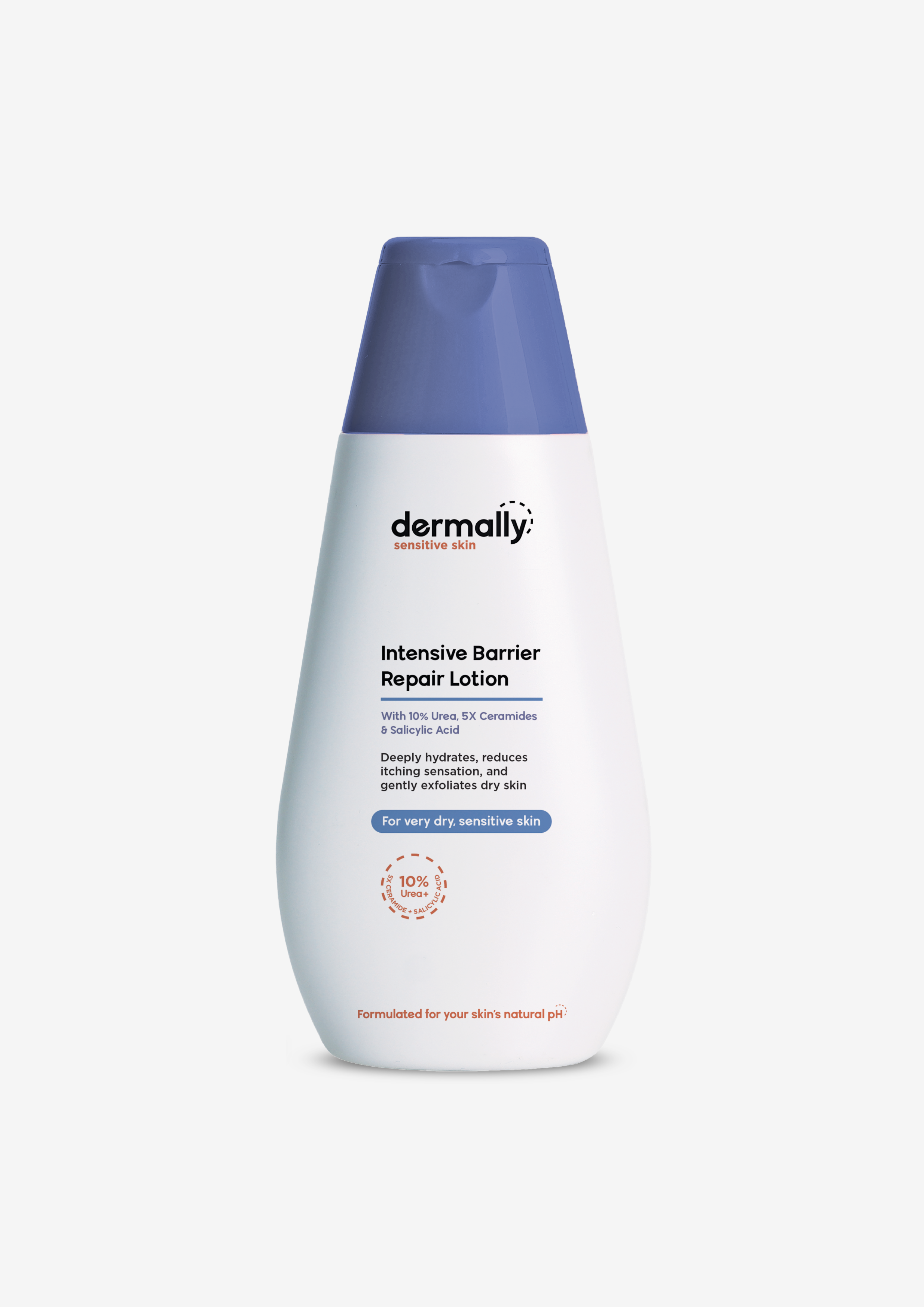
Locking in hydration after each wash is sometimes the most overlooked step in a skincare routine. Even in a humid climate, our skin needs moisture to restore its protective barrier. Introducing Dermally Intensive Barrier Repair Lotion, which aids in skin restoration and locks in moisture to protect your skin from further irritation.

Tips to know before applying a lotion:
- Use a lightweight, non-comedogenic lotion
- Focus on barrier-repair ingredients
- Use consistently, even after the rash has improved
Key ingredients in Dermally Intensive Barrier Repair Lotion
|
Daily Habits That Makes A Difference
While skincare is an important part of combating heat rash, maintaining healthy daily routines will ensure that your skin recovers more efficiently than relying entirely on topical treatments and skincare.
Wear Breathable Fabrics
Pick loose, lightweight clothing made from natural fibers (such as cotton or linen) to reduce friction against irritation and encourage airflow, preventing trapped heat from causing a flare-up.
Shower After Sweating
After sweating, allow yourself 10 to 30 minutes to cool down before showering. Avoid letting sweat linger on your skin for too long, especially after a workout or long day in the humidity and heat. Showering helps to prevent pore congestion and unwanted pathogens from worsening the heat rash.
Avoid Overheating Your Body
The simplest way to avoid overheating is to stay in a well-ventilated or air-conditioned place whenever possible (remember to hydrate yourself if staying in for too long to prevent dry skin). If the option isn't accessible, try taking frequent cooling breaks and using a portable fan to regulate your skin temperature.
Resist the Urge to Scratch Your Skin
Scratching may worsen irritation and prolong recovery. Apply a cooling compress or a soothing lotion to reduce inflammation without inflicting physical harm to the skin.
Summary of Common Mistakes to Avoid
|
|
|
|
|
How Long Does Heat Rash Take to Recover?
Moderate heat rash can be cleared up in just a couple of days with the correct approach. If your heat rash appears persistently, it is usually caused by two primary factors:
-
Environmental Triggers
Spending long periods of time in unventilated, humid environments, or wearing tight garments which trap sweat, causing your skin being unable to breathe properly, leading to compromised skin. -
A Weakened Skin Barrier
Your current skincare practice might be causing your skin to become vulnerable, leading to prolonged inflammation and external irritants.
*Please consult a medical professional if you experience any continuous discomfort.