Articles

Keratosis Pilaris: Causes, Symptoms & How to Improve Bumpy Skin
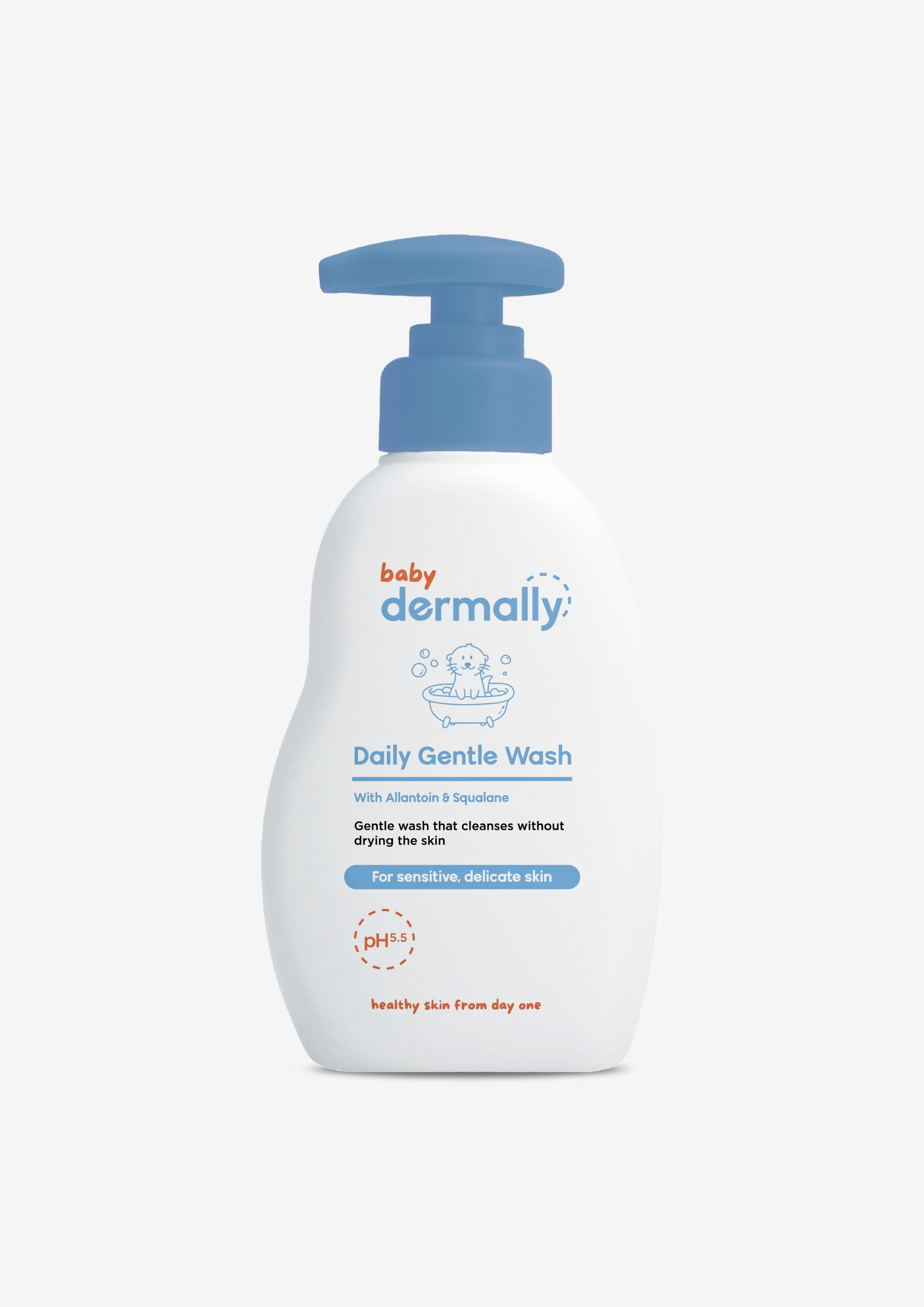
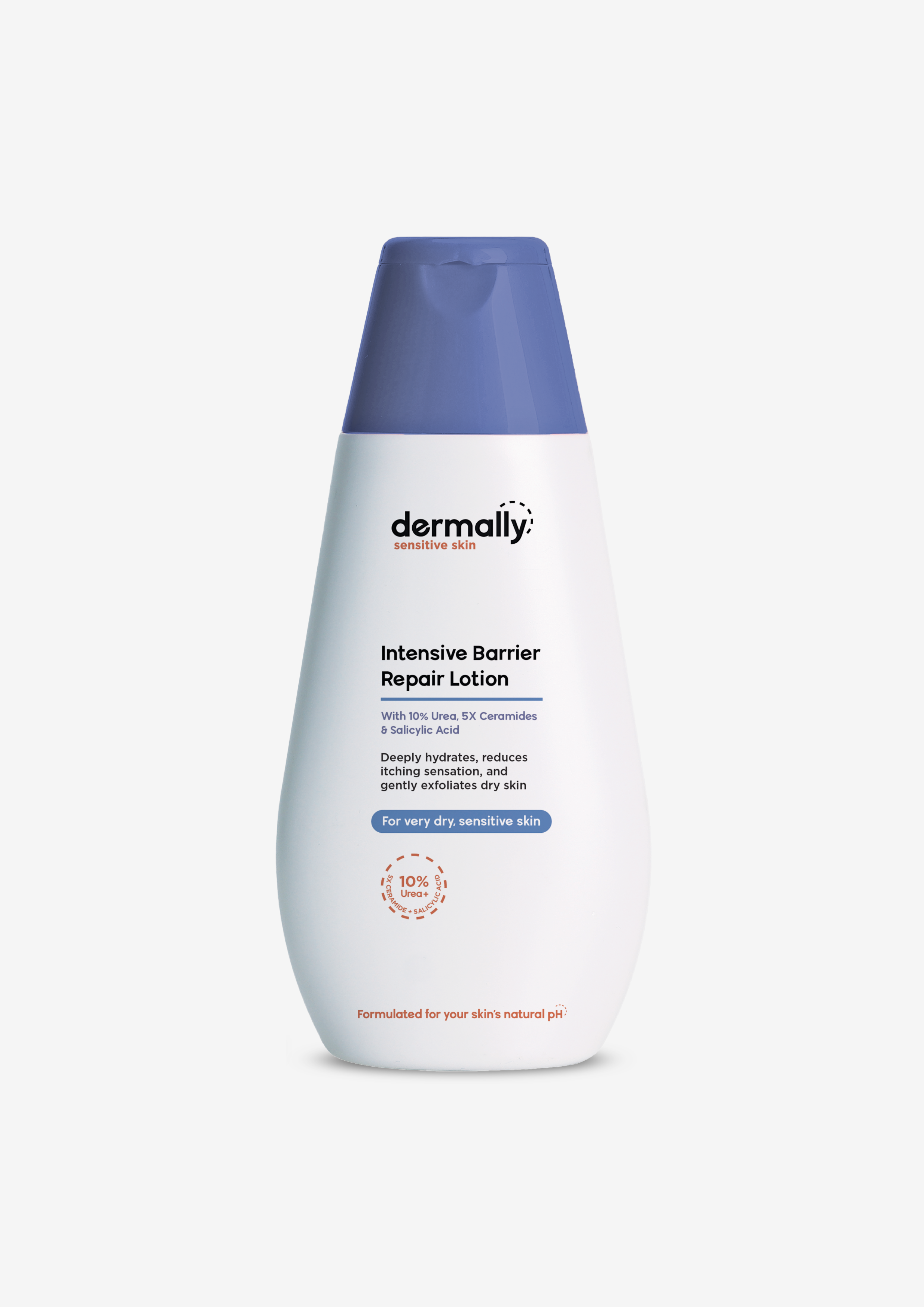
What is Keratosis Pilaris? Keratosis Pilaris (often called “KP” or “chicken skin”) is a common skin condition that’s harmless, where small and rough bumps appear on the upper arms, thighs, cheeks or buttocks. These bumps are formed by tiny plugs of dead skin cells around hair follicles. While keratosis pilaris is a harmless condition, it can cause rough, uneven texture on the skin and is most common in those with dry or sensitive skin. How Does Keratosis Pilaris Occur? Your skin naturally produces a protein called keratin to protect your skin. A buildup of excess keratin creates a hard plug that blocks the hair follicle, leading to keratosis pilaris. This process can be influenced by: Dry or sensitive skin (especially in colder climates or after harsh cleansers) Genetics Underlying conditions like eczema or asthma Hormonal changes during puberty or pregnancy As keratosis pilaris stems from a weak skin barrier and a lack of hydration, the most effective approach involves a skincare regimen focused on gentle cleansing and rich moisturization to strengthen the skin's natural defenses and improve overall hydration levels. Ways to Improve Keratosis Pilaris While KP can’t be cured permanently, but with consistent care, it can visibly reduce bumps and improve skin texture. Step 1: Use Gentle Cleansers Harsh soaps can dry and irritate sensitive skin, hence it's best to use low-foam, hydrating washes fortified with barrier-replenishing ingredients. Try: Dermally Hydrating Barrier Wash (suitable for dry & sensitive skin) Step 2: Try Mild Exfoliation to Unclog Follicles Other than cleansing, we should gently exfoliate once or twice a week depending on your skin type. Ingredients like salicylic acid and CICA (Centella Asiatica) can help slough off dead skin while reducing skin redness by calming it down. Try: Dermally Acne Face & Body Wash (suitable for oily & acne-prone skin) Step 3: Deep Moisturization Moisturizing right after bathing locks in hydration and softens keratin plugs. Look for formulas with urea that does the work of locking in hydration, ceramides and niacinamide that helps to restore skin barrier. Try: Dermally Intensive Barrier Lotion (suitable for all skin type) Keep Skin Calm for Children & Babies When it comes to managing Keratosis Pilaris on your child's body, the right product makes all the difference. Choose a gentle and non-comedogenic formula for a smoother, healthier complexion. Try: Baby Dermally Daily Gentle Wash to gently cleanse your baby’s skin& apply Baby Dermally Daily Moisturizing Lotion to lock in moisture. Lifestyle Tips to Improve Keratosis pilaris Hot showers can strip away your skin’s natural oils, leading to dryness and irritation. Try shorter, lukewarm showers to maintain skin’s essential moisture barrier for more healthier & hydrated skin. Place a humidifier for dry environments to help your skin retain hydration and create a comfortable environment that improves sleep quality Avoid picking or scratching bumps to prevent scarring Stick to a consistent skincare routine for better results Keratosis pilaris is a common and manageable skin condition. Understanding why skin texture occurs is the first step toward transformation. When you pair this knowledge with the consistent use of gentle, pH-right products, you're taking confident control of your skin. Be patient with the process, and trust that you are on the right path to a happier, healthier relationship with your skin. If there's no improvement or any concerns persist, we encourage you to seek advice from a healthcare professional for personalized guidance.
Learn more
Baby Skin vs Adult Skin: What Are the Differences?
A baby’s skin may look soft and flawless, but it’s still a work in progress. Compared to adult skin, baby skin is structurally and functionally immature - and that’s completely normal. Understanding how baby skin differs from adult skin helps parents care for it more gently and effectively, especially when it comes to common concerns like dryness, sensitivity, rashes, or eczema. Here are the key differences explained: 1. Thinner Epidermis and Dermis Did you know? Our skin is made up of 3 main layers: 1. Epidermis The outermost layer. It acts as the body’s first line of defence and includes the stratum corneum, which is part of the skin barrier. It’s where skin cells (keratinocytes) are constantly produced and shed, and it contains melanocytes (pigment cells). 2. Dermis The middle layer. It contains blood vessels, sweat glands, sebaceous glands, nerve endings, and connective tissue (like collagen and elastin). This layer gives skin strength, flexibility, and nutrients. 3. Hypodermis The deepest layer. It’s mainly composed of fat and connective tissue, providing insulation, cushioning, and energy storage. A baby’s skin is noticeably thinner than adult skin; both the epidermis and the underlying dermis. In fact, infant epidermis can be up to 30% thinner than adult epidermis. This thinner structure makes baby skin more fragile and prone to damage, such as from friction, heat, and irritants. Because the dermis is less dense and still developing its collagen and elastic fibres, baby skin is also more delicate and less resilient. It bruises more easily and may show signs of inflammation faster than adult skin. That’s why even mild products or physical triggers can sometimes lead to redness or peeling. 2. Developing Hydrolipidic Film and Skin pH The skin’s hydrolipidic film is a very thin film that forms on the surface of the skin, made up of sebum, sweat, and natural lipids. The hydrolipidic film has a mildly acidic property, and it plays a key role in defending the skin against harmful microbes and supporting healthy skin flora. At birth, baby skin is closer to neutral pH (around pH 6.34 to 7.5). Over the first few weeks of life, it gradually becomes more acidic (around pH 5.5), forming a stable hydrolipidic film. However, this process takes time, and until the hydrolipidic film is fully established, the skin is more vulnerable to irritation and infection. Formulated at pH 5.5, Baby Dermally helps support the development of the hydrolipidic film, reinforcing the skin’s natural defences while keeping it calm and balanced. 3. Underdeveloped Skin Barrier Function Did you know? The skin barrier is made up of the hydrolipidic film, and the stratum corneum, which is the outermost layer of the epidermis (yes, our skin has layers within layers). The skin barrier is responsible for keeping moisture in and harmful substances out. In babies, this barrier is still developing after birth. The corneocytes (skin cells in the stratum corneum) are smaller, the lipid layers between them are not yet fully organised, and the skin’s natural defences are less efficient. This makes baby skin more permeable, increasing the risk of dryness, irritation, or allergic reactions. Environmental factors like dry air, heat, or exposure to harsh soaps can easily disrupt this still-maturing barrier. Supporting the skin barrier early with gentle, hydrating, and pH-appropriate care can make a real difference. 4. Higher Water Content, but More Prone to Water Loss Although baby skin contains more water than adult skin, it also loses that water much faster. This is due to both the thinner epidermis and the incomplete development of the skin barrier. This high transepidermal water loss (TEWL) means baby skin can dry out easily, especially in air-conditioned or dry environments, or after frequent washing. While the skin may appear plump and dewy, it needs regular moisturisation to prevent dehydration and maintain its natural protective functions. 5. Immature Sebum Production Sebum, the oil naturally produced by our sebaceous glands, helps keep the skin lubricated, soft, and protected. In newborns, there’s a temporary surge in sebum production due to leftover maternal hormones. This explains why some newborns may develop cradle cap (infantile seborrheic dermatitis) or baby acne in the first few weeks of life. However, this sebum production drops significantly after the first few months. From that point onwards, babies produce very little sebum until they reach puberty. Without this natural oil, their skin is more vulnerable to dryness and external irritants. That’s why skincare for babies should help compensate for this oil deficiency, by gently supporting hydration and barrier repair. 6. Underdeveloped Sweat Glands Sweat glands are also immature in infants. Their eccrine sweat glands, responsible for thermoregulation, are present but not yet fully active. Babies do not sweat as efficiently as adults, which makes them more prone to overheating. At the same time, because sweat gland function is still developing, babies are also more prone to heat rash (miliaria), especially in hot or humid environments like ours here in Singapore. These appear when sweat gets trapped under the skin due to blocked sweat ducts. Ensuring proper ventilation, avoiding heavy clothing, and keeping the skin clean and dry can help prevent this. 7. Greater Surface Area-to-Body Weight Ratio Babies have a much higher skin surface area relative to their body weight compared to adults. This means that anything that comes into contact with their skin, such as skincare products, wipes, bathwater, or topical medications, can be absorbed in greater proportion. This is especially important when considering ingredients or concentrations that may be too harsh or inappropriate for baby skin. It’s not just about avoiding irritants; it’s about recognising that, as compared to adult skin, baby skin can absorb substances faster, which may affect their overall health. Why This Matters All these differences underscore just how delicate and vulnerable baby skin really is, and why baby skin needs added care. Our Baby Dermally range is designed with these unique needs in mind: gentle, soap-free, dermatologically-tested pH 5.5 formulas that help protect and support your baby’s developing skin barrier, hydration levels, and ease common skin discomforts like dryness, redness, or irritation, all without unnecessary additives; setting the foundation for healthy skin from day one.
Learn more
Best Ways to Keep Your Intimate Area Fresh and Odour-Free Daily
Post-exercise perspiration and menstrual flow can alter the natural pH of the vulva, potentially leading to unwanted odour or discomfort. Here are easy daily tips to keep your intimate area clean and fresh without overdoing it. 1. Keep Your Intimate Area Clean and Dry Maintaining dryness and cleanliness in the vulva area helps reduce the risk of irritation, bacterial overgrowth, and unwanted odour. Gently pat dry after cleansing and avoid rubbing or using harsh towel 2. Choose breathable, loose bottoms Sweat, moisture, and tight-fitting underwear can trap heat and bacteria that leads to unpleasant odour or irritation. It is recommended to choose breathable cotton underwear and to avoid wearing damp gym clothes for long hours 3. Skip douching More isn’t always better. Douching or scrubbing the intimate area can remove good bacteria and trigger imbalance which can cause irritation and disrupt the natural flora. 4. Look for Ingredients That Work with Your Body The right formulation makes a difference. Feminine washes with lactic acid and glycogen can help maintain a healthy environment in the intimate area. Lactic Acid helps maintain the acidic pH and supports the presence of good bacteria that keep odour in check. Glycogen is a natural energy source for beneficial lactobacilli, promoting their growth and helping reinforce the microbiome. Together, these ingredients help maintain freshness, comfort, and long-term intimate health. Try Dermally IntimCare Foam Wash pH 3.8 Today! With Glycogen and Lactic Acid Keeping your intimate area fresh isn’t about masking odours but it’s about supporting your body’s natural ecosystem. With the right hygiene habits and paired with Dermally IntimCare Foam Wash that’s pH 3.8 with ingredients like lactic acid and glycogen, you can feel clean and confident every single day.
Learn more
Caring for Your Intimate Area Starts with the Right pH: Here’s Why pH 3.8 Matters
Your intimate area is one of the most delicate parts of your body and it deserves care that’s just as thoughtful as the products you use on your face or hair. While many women focus on general hygiene, fewer know that your external intimate area (the vulva) needs gentle, pH 3.8 care to stay healthy and comfortable. The key? A feminine wash that is formulated at pH 3.8 to work with your body, not against it. 🌸 What Is the Intimate Area and Why Is It Different? Let’s be clear: when we say intimate area, we’re referring to the vulva which is the external skin around the vaginal opening. This area: Contains delicate skin and mucosal tissue Is home to beneficial bacteria (Lactobacillus) Can be sensitive to harsh cleansers or products Because the vulva is exposed to sweat, discharge, menstruation, and tight clothing, it’s important to cleanse it regularly BUT with the right kind of product. ⚖️ Why pH 3.8 Matters for External Intimate Care Your skin’s pH is usually around 5.5, but the intimate area has a more acidic pH, typically between 3.5 and 4.5. This lower pH helps: Maintain the balance of good bacteria Prevent irritation, odor, and infection Keep the external skin barrier strong and moisturized Maintaining the correct external pH of 3.8 helps to protect the natural defence barrier and promote everyday freshness. What Happens When the pH is Disrupted? Using regular soap or body wash that ranges from pH of 8 to 10 can upset this delicate balance. This disruption can lead to: Vaginal dryness Itching or irritation Unpleasant odor Increased risk of infections like bacterial vaginosis or yeast infections Try: Dermally IntimCare Foam Wash pH 3.8 Gently cleanse the feminine intimate area with Glycogen & Lactic Acid to support lactobacillus growth which helps to preserve its natural balance and overall comfort.
Learn more
Common Baby Skin Conditions Explained: Eczema, Baby Acne, Cradle Cap, Diaper Rash & Heat Rash
A baby’s skin is soft, delicate, and often more reactive than adult skin. With the skin barrier still developing during the first few years of life, babies are more prone to common skin issues that can appear worrying to new parents. Thankfully, most of these conditions are harmless, manageable, and treatable with the right skincare approach. In this article, we break down five of the most common baby skin concerns: eczema, baby acne, cradle cap, diaper rash, and heat rash. Learn how to identify them, what causes them, and how best to care for your baby’s skin. 1. Eczema (Atopic Dermatitis) Eczema is a chronic, inflammatory skin condition that often appears as red, dry, itchy patches. In babies, it commonly affects the cheeks, scalp, arms, and legs. Did you know? Up to 20% of children worldwide are affected by eczema at some point in early life. Common Triggers Harsh soaps or cleansers Allergens Heat, sweat, and rough fabrics Environmental irritants like dust or pollen How to Care for Baby Skin with Eczema: Use gentle, pH 5.5 cleansers that won’t strip the skin Moisturise daily to strengthen the skin barrier Avoid over-bathing, and use lukewarm water Dress your baby in soft, breathable fabrics Dermally Recommends: Baby Dermally Daily Gentle Wash - A mild, soap-free cleanser with skin-friendly surfactants and a skin-balanced pH. Baby Dermally Daily Moisturizing Lotion - Contains soothing agents and barrier-repairing ingredients like glycerin and panthenol to keep eczema-prone skin soft, hydrated, and calm. 2. Baby Acne Baby acne typically appears within the first few weeks of life and usually resolves on its own. It shows up as small red or white bumps, mostly on the cheeks, forehead, or chin. Causes: Hormonal changes after birth Maternal hormones passed through the placenta Overstimulation of oil glands How to Care for Baby Skin with Acne: Keep the skin clean using a gentle, hypoallergenic cleanser Avoid harsh scrubbing or using acne treatments meant for adults Let the skin breathe - avoid occlusive creams or thick oils Dermally Recommends: Baby Dermally Daily Gentle Wash - Non-drying, soap-free, and non-comedogenic. Effectively cleanses without aggravating delicate or acne-prone baby skin. Baby Dermally Daily Protective Face Cream - A light, protective moisturiser that supports skin recovery while respecting the natural skin barrier. 3. Cradle Cap (Infantile Seborrheic Dermatitis) Cradle cap causes greasy, yellowish scales or flakes on a baby’s scalp and sometimes eyebrows. It’s not contagious or itchy and typically clears up within a few weeks to months. Causes: Overproduction of sebum Natural response to maternal hormones Possible yeast (Malassezia) involvement on the scalp How to Care for Cradle Cap: Gently massage the scalp with fingertips or a soft brush Use a gentle wash to cleanse away excess oil Avoid picking or forcefully removing the flakes Dermally Recommends: Baby Dermally Daily Gentle Wash - Gentle enough for daily use on the scalp and body. Helps cleanse without disrupting the skin’s microbiome. 4. Diaper Rash (Irritant Contact Dermatitis) This red, inflamed rash appears in the diaper area and is often caused by prolonged exposure to moisture, urine, or stool. Causes: Friction and trapped moisture Sensitivity to diapers or wipes Introduction of new foods Yeast or bacterial infection (if severe or persistent) How to Care for Diaper Rash: Change diapers frequently and allow diaper-free time Gently cleanse the area with warm water or a mild wash Apply a protective barrier cream regularly Dermally Recommends: Baby Dermally Daily Gentle Wash - Mild cleanser that can be safely used on the diaper area without causing any stinging. Baby Dermally Daily Nappy Barrier Cream - Forms a breathable barrier using titanium dioxide, panthenol, and other soothing ingredients to prevent and calm irritation. 5. Heat Rash (Prickly Heat / Miliaria) Heat rash appears as tiny red bumps or blisters, especially in skin folds and areas where sweat is trapped. It’s common in hot, humid climates like ours here in Singapore. Causes: Hot weather and overheating Blocked sweat glands Tight or heavy clothing How to Care for Heat Rash: Dress baby in breathable, lightweight clothing Keep the skin cool and dry Use a light, non-occlusive moisturiser to soothe discomfort Dermally Recommends: Baby Dermally Daily Gentle Wash - Cools and refreshes without drying out the skin, ideal for frequent cleansing in hot weather. Baby Dermally Daily Moisturizing Lotion - Lightweight yet hydrating, this lotion helps soothe irritated skin and maintain a healthy skin barrier. Tips for Parents Always patch test new products before applying them widely. Consult your paediatrician or dermatologist if symptoms worsen or persist. Be mindful that not all baby skin conditions require aggressive treatment; gentle care often goes a long way. When to Seek Medical Advice While most of these conditions are harmless and temporary, you should consult a healthcare professional if: The rash worsens, spreads quickly, or becomes weepy Baby seems distressed, feverish, or in pain You're unsure whether it's a skin condition or an allergic reaction At Dermally, we believe in supporting baby skin with dermatologically tested, pH 5.5 formulas that are safe, effective, and thoughtfully formulated, even down to the hypoallergenic FEMA GRAS-approved fragrance. Whether you're a first-time parent or simply seeking better skin solutions for your child, remember: you’re not alone on this journey. Together with Baby Dermally, let’s nurture healthy skin from day one.
Learn more
Acne and Stress: How They’re Connected (And What You Can Do About It)
Acne and Stress: A Vicious Cycle Ever noticed your skin breaking out right before a big exam, work deadline, or after days of poor sleep? You’re not imagining it. Stress doesn't just take a toll on your mental health, it can show up on your skin too. We believe that acne isn't merely a pore issue, they’re often a reflection of what’s going on inside. Let’s break down how stress affects your skin and what you can do to calm both your skin and your system. How Stress Triggers Acne When stress hits, your body activates its fight-or-flight mode, flooding your system with cortisol. This surge doesn’t just affect your mood, it can also trigger inflammation, disrupting your skin’s natural balance. This increase in cortisol can: Boost oil (sebum) productionMore oil = higher chances of clogged pores = more breakouts. Weaken skin barrier functionWhen your skin barrier is compromised, it becomes more reactive, inflamed, and prone to irritation or acne flare-ups. Inflamed acneStress doesn’t just cause new pimples, it can also worsen the ones you already have. Disrupt gut-skin connectionChronic stress can mess with your digestion and gut health, which has a knock-on effect on skin clarity. Breaking the Cycle: How to Manage Acne Linked to Stress 1. Cleanse With Care Start with a gentle, acne-focused cleanser that doesn’t strip your skin. Formulated with calming ingredients and acne-fighting actives, it helps cleanse away excess oil and impurities without irritating sensitive or acne-prone skin. It’s also safe for both face and body, perfect for chest and back breakouts. Try: Dermally Acne Face & Body Wash 2. Strengthen Your Skin Barrier Your skin's natural defenses work most effectively when its protective barrier is strong and intact. When your skin feels dry, sensitive, or irritated from stress or treatments, this non-comedogenic lotion helps soothe, protect, and lock in hydration. Try: Dermally Intensive Barrier Lotion 3. Practice De-Stressing Habits: Get 7 to 9 hours of sleep Take short breaks during work Try journaling, deep breathing, or stretching Reduce screen time whenever you can Don’t skip meals (blood sugar spikes can also impact breakouts) 4. Be Gentle With Yourself When you're already feeling overwhelmed, it's easy to fixate on every new blemish or imperfection in the mirror. Acne might make you feel frustrated or insecure in the moment, but this temporary condition says nothing about who you are as a person and your worth. Breakouts are common, temporary, and often out of your control, especially when stress and hormones are involved. Healing takes time, and progress isn’t always linear. Your skin thrives on kindness, not punishment. Treat it with hydration, proper rest, and the space to recover with patience. Most importantly, be kind to yourself, you’re doing the best you can, and your skin is trying too. Final Thoughts:Healing Goes Beyond Skin Deep Stress-related acne is more than just a surface concern, it’s a sign of your body asking for balance. While the right skincare routine can help soothe breakouts, true healing starts from within. Small, mindful changes such as prioritizing sleep, staying hydrated, and carving out moments to breathe can make a profound difference. Gentle reminder that your skin isn’t the enemy, it’s a reflection of your overall well-being. Treat it with patience, nourish it with care, and trust that resilience grows from kindness, both to your skin and yourself.
Learn more
Adult Eczema: What It Is, Why It Happens & How to Care for It
Struggling with dry, itchy, sensitive skin as an adult? Eczema is a common skin condition that many adults face in their daily lives. If you’ve been wondering why your skin suddenly reacts, flakes, or itches uncontrollably, you might be dealing with eczema. What Is Adult Eczema? Eczema (or atopic dermatitis) is a chronic skin condition that leads to dryness, inflammation, redness, and itchiness. While it's often associated with children, many adults either continue to experience it or develop it later in life. Common Causes of Adult Eczema: A weakened skin barrier Genetics and family history Environmental triggers like dust, heat, or pollution Stress and hormonal changes Harsh skincare or over-washing Diet and lifestyle imbalances Eczema comes and goes, but flare-ups can be intense and emotionally exhausting, hence proper care is essential. What Does Adult Eczema Look Like? Eczema can show up differently in adults compared to children, and it often affects the hands, neck, face, elbows, knees, and even eyelids. You may notice: Red, dry, or flaky patches Thickened, rough skin from scratching Cracks or open sores in severe cases Itchy skin that gets worse at night Darkened patches due to repeated irritation How to Manage Adult Eczema (Without Making It Worse) The best way to manage eczema comes from protecting and reinforcing the skin barrier, not from harsh treatments that damage it. Step 1: Cleanse Gently Dermally Hydrating Barrier Wash A soap-free, pH-balanced cleanser made for ultra-sensitive and eczema-prone skin. - pH 5.5 - No SLS/SLES - Soap-free & non-comedogenic - Helps maintain moisture while removing impurities Using a harsh cleanser can worsen eczema.This gentle formula ensures your skin stays calm without tightness or itching after washing. Step 2: Moisturize & Strengthen Dermally Intensive Barrier Lotion Lightweight but deeply hydrating, this lotion is designed to protect and rebuild the skin barrier. - Contains emollients and skin barrier-repairing ingredients - Non-sticky and fast-absorbing - Suitable to use on face and body - Ideal for daily care or flare-up recovery Dispense a small amount and spread evenly across the skin. Gently massage it into the skin using circular motions until it is fully absorbed. For optimal results, reapply as often as needed to maintain hydration and protection. Extra Tips for Eczema Relief: Keep showers under 10 minutes, and use lukewarm water Moisturize immediately after cleansing Wear soft, breathable fabrics like cotton Prioritize soothing ingredients such as Panthenol and Vitamin E to strengthen skin barrier naturally Pay attention to potential triggers including certain foods, stressful situations, or changing weather conditions. Avoid scratching your skin and press it with a cool compress instead When to See a Dermatologist Seek medical advice if your eczema doesn't improve with skincare, symptoms become painful, swollen, infection or worsens over time. Dermatologists can help with prescription creams or other treatments that’s suitable for your skin. You Deserve Comfort In Your Skin While adult eczema can be challenging to manage, proper care helps restore your skin's comfort, hydration, and overall health. At Dermally, everyone deserves healthy skin.We're committed to making those with sensitive skin feel visible, supported, and secure in their skincare journey.
Learn more