Articles

How to Treat and Prevent Heat Rash with Dermally
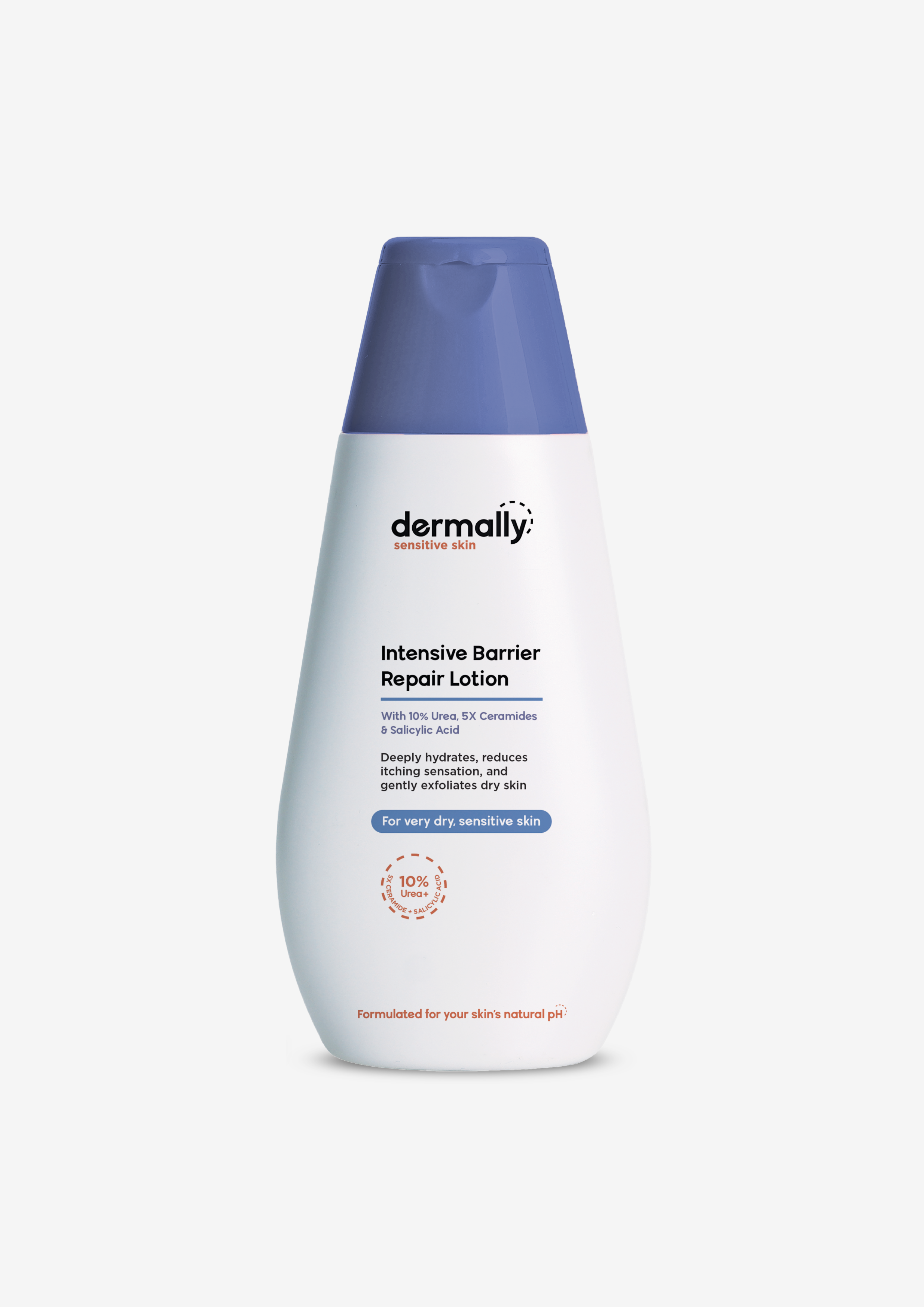
Living in a hot, humid environment can cause heat rash, characterized by red pimples, itchy spots, and a prickly sensation. Heat rash is widespread in this setting, although it does not have to be an unavoidable issue, and can be easily controlled and prevented with the correct skincare approach. What Is Heat Rash (and Why Does It Happen)? Heat rash, also known as prickly heat, develops when: Sweat gets trapped under your skin Pores or sweat ducts are blocked Heat and friction irritates the skin This may cause red or pink bumps, itching, stinging, inflammation, and increased skin sensitivity. It typically develops in areas where sweat and friction are common, such as the neck, chest, back, underarms, and inner thighs. Why Your Skincare Matters More Than You Think Irritated and compromised skin worsens with the incorrect products, so managing heat rash entails not only keeping your body cool, but also supporting your skin barrier while keeping it clean and pH balanced. Harsh cleansers can strip away your skin's natural oil, leading to weaken skin barrier Heavy or pore-clogging/comedogenic products traps more sweat, making skin unable to breathe properly Skin recovery is delayed when both internal hydration levels and topical moisture barriers are insufficient Step-by-Step: How to Beat Heat Rash 1. Cleanse Gently and Effectively Sweat, bacteria, and oil build-up worsens heat rash, but over-cleansing or using products with strong chemicals can irritate your skin even further. Switch to a gentle cleanser that helps remove sweat and impurities without damaging your skin barrier, which is essential for our skin to return to its most balanced state. Tips for improving dry, sensitive skin: Cleanse 1–2 times daily Use pH-balanced formulations Avoid strong chemicals and fragrances Key ingredients in Dermally Hydrating Barrier Wash Panthenol calms irritated skin Vitamin E protects from environmental stress Saccharide Isomerate & Glycerin offers long-lasting hydration 2. Target Sweat and Acne-Prone Areas In areas where heat rash overlaps with body acne (such as the back or chest), more targeted ingredients may be required to reduce acne bumps and redness. This is especially useful if your heat rash causes congested pores or minor breakouts. Tips for treating oily and acne prone skin: Use an acne-prone focused cleanser on affected areas Avoid overusing active ingredients (e.g. combining tea tree oil with BHA, retinol and/or benzoyl peroxide) Key ingredients in Dermally Acne Face & Body Wash Tea tree oil to help reduce bacteria Salicylic Acid to unclogs pores and decrease excessive sebum production CICA & Panthenol combination to calm inflammation 3. Repair & Strengthen Your Skin Barrier Locking in hydration after each wash is sometimes the most overlooked step in a skincare routine. Even in a humid climate, our skin needs moisture to restore its protective barrier. Introducing Dermally Intensive Barrier Repair Lotion, which aids in skin restoration and locks in moisture to protect your skin from further irritation. Tips to know before applying a lotion: Use a lightweight, non-comedogenic lotion Focus on barrier-repair ingredients Use consistently, even after the rash has improved Key ingredients in Dermally Intensive Barrier Repair Lotion 10% Urea gently exfoliates and softens rough flaky skin without causing discomfort Five types of Ceramides restore the skin barrier and prevents moisture loss Niacinamide soothes inflammation and reduces redness on skin Shea Butter & Glycerin forms a hydration shield that seals moisture into the skin Salicylic Acid improves skin texture and keep clogged pores at bay Daily Habits That Makes A Difference While skincare is an important part of combating heat rash, maintaining healthy daily routines will ensure that your skin recovers more efficiently than relying entirely on topical treatments and skincare. Wear Breathable Fabrics Pick loose, lightweight clothing made from natural fibers (such as cotton or linen) to reduce friction against irritation and encourage airflow, preventing trapped heat from causing a flare-up. Shower After Sweating After sweating, allow yourself 10 to 30 minutes to cool down before showering. Avoid letting sweat linger on your skin for too long, especially after a workout or long day in the humidity and heat. Showering helps to prevent pore congestion and unwanted pathogens from worsening the heat rash. Avoid Overheating Your Body The simplest way to avoid overheating is to stay in a well-ventilated or air-conditioned place whenever possible (remember to hydrate yourself if staying in for too long to prevent dry skin). If the option isn't accessible, try taking frequent cooling breaks and using a portable fan to regulate your skin temperature. Resist the Urge to Scratch Your Skin Scratching may worsen irritation and prolong recovery. Apply a cooling compress or a soothing lotion to reduce inflammation without inflicting physical harm to the skin. Summary of Common Mistakes to Avoid Using harsh chemicals or strong fragrance on skin Skipping moisturizer due to humidity Wearing tight or unbreathable garments Leaving sweat on the skin for too long Ignore early signals of skin discomfort (severe redness, itchiness or flakiness on skin) How Long Does Heat Rash Take to Recover? Moderate heat rash can be cleared up in just a couple of days with the correct approach. If your heat rash appears persistently, it is usually caused by two primary factors: Environmental TriggersSpending long periods of time in unventilated, humid environments, or wearing tight garments which trap sweat, causing your skin being unable to breathe properly, leading to compromised skin. A Weakened Skin BarrierYour current skincare practice might be causing your skin to become vulnerable, leading to prolonged inflammation and external irritants. *Please consult a medical professional if you experience any continuous discomfort.
Learn more
Why Does My Baby's Face Get So Red? - Understanding Facial Irritation in Infants
Your baby woke up with a rash on their face. It wasn't there yesterday - or maybe it was, and it's just getting worse. You're not sure if you should be worried, if it'll go away on its own, or what you're even supposed to do about it. If that sounds familiar, you're far from alone. Facial rashes are one of the most common things parents notice in the first year of a baby's life - and one of the most confusing, because they can look alarming even when they're not serious. Why Baby Facial Skin Is So Reactive To understand facial irritation, it helps to first understand what baby skin is actually up against. A baby's skin is structurally different from adult skin in several key ways. It's thinner, produces less natural oil, and has a less developed skin barrier - meaning it's less equipped to retain moisture and fend off external irritants. The skin's pH also takes time to stabilise after birth, making it more susceptible to imbalance in the early months. Now factor in everything a baby's face comes into contact with on any given day: Saliva from drooling (which increases significantly as teething approaches) Milk from feeding or spit-ups Repeated wiping and cleaning throughout the day Fabric friction from clothing, bibs, and bedding Close physical contact from being held and cuddled None of these things are harmful on their own. But for skin that's still developing its defences, the cumulative effect of repeated exposure can quickly show up as redness, dryness, or irritation - especially on the face, where most of this contact happens. Common Causes of Facial Redness in Babies Not all redness looks or behaves the same, and identifying the likely cause can help you respond appropriately. Milk rash (neonatal acne) This typically appears in the first 2-4 weeks and presents as small red bumps or whiteheads, usually on the cheeks, nose, and forehead. It's largely driven by maternal hormones still circulating in the baby's system and tends to resolve on its own within a few weeks without any treatment needed. Drool rash As babies start drooling more, often from around 2-3 months and peaking around teething, saliva sits on the skin around the mouth, chin, and neck folds. Saliva contains digestive enzymes that, with prolonged contact, can break down the skin barrier and cause redness and chapping. It's one of the most persistent forms of facial irritation in infants. Contact irritation This is a broader category covering redness triggered by friction or repeated physical contact. Even gentle wiping, done many times a day over weeks, can gradually compromise the skin barrier - leading to sensitivity, redness, or dry patches, particularly around the cheeks and chin. Eczema Infantile eczema often appears on the face first, presenting as dry, red, and sometimes weepy patches. It can look similar to the above conditions, which is why eczema that doesn't improve with basic skincare measures is worth flagging to a paediatrician or dermatologist. What You Can Do: Building a Protective Routine The goal isn't to prevent all contact - that's simply not possible with a baby. Instead, the focus should be on strengthening the skin so it can handle everyday exposure without reacting as intensely. Cleanse gently and minimally Over-cleansing is a surprisingly common issue. Washing a baby's face too frequently, or with the wrong product, can strip away what little natural oil the skin has. Use a mild, pH-balanced cleanser like our Daily Gentle Wash - it's formulated for newborn skin and cleans effectively without disrupting the skin barrier. Pat, don't rub When wiping or drying your baby's face after feeding or cleaning, use a soft cloth and pat gently rather than rubbing. It's a small habit change that makes a meaningful difference in reducing friction over time. Keep the skin hydrated Moisturising consistently helps maintain the skin barrier's ability to protect against irritants. For the body, our Daily Moisturizing Lotion provides reliable everyday hydration. But the face, given how much more it endures, benefits from a more targeted approach. Why the Face Deserves Its Own Product Here's something many parents don't initially think about: the face needs different care from the rest of the body. It's more exposed to the elements, gets wiped far more frequently, and bears the brunt of saliva and milk contact throughout the day. A general body lotion, however good, isn't always enough. Our Daily Protective Face Cream was formulated specifically with this in mind. Rather than just moisturising, it works to create a protective layer over delicate facial skin - helping to shield it from the repeated contact that causes irritation in the first place. Its key ingredients do a lot of the heavy lifting: 7x Ceramides - deeply nourishes deep facial skin layers from within and reinforces the skin barrier at a structural level Panthenol - soothes and supports skin repair Squalane - provides lightweight, non-greasy hydration Allantoin - calms redness and reduce inflammation Vitamin E - helps protect the skin from environmental stressors Shea Butter - delivers deep, lasting moisture without heaviness It's gentle enough for newborns, dermatologically tested, and free from SLS/SLES, parabens, phthalates, and soap. And because it's lightweight, it absorbs easily - which any parent of a wriggly baby will appreciate. Used consistently as part of a daily routine, it acts as a quiet but effective shield for one of the most hardworking, underappreciated patches of skin on your baby's body. Psst! Mummies, you can use this as nipple cream too!
Learn more
Ceramides for Sensitive Skin: What They Are & How They Repair Your Skin Barrier
Understanding Your Skin Barrier: Why It Matters Your skin barrier is the outermost protective layer of your skin. It acts as your body’s first line of defence against the external environment including pollution, bacteria, allergens, and weather changes. At the same time, it plays a crucial role in keeping moisture inside your skin. A healthy skin barrier helps to: Prevent excessive moisture loss Protect against external irritants Maintain smooth, comfortable skin Support the skin’s natural renewal process When the skin barrier is compromised, moisture escapes more easily and irritants can penetrate the skin more readily. This can lead to dryness, tightness, redness, itchiness, and increased sensitivity skin concerns that is commonly seen in sensitive, dry, and eczema-prone skin. What Are Ceramides? Ceramides are natural lipids (fat molecules) found in high concentrations in the outermost layer of your skin, known as the stratum corneum. Together with cholesterol and fatty acids, ceramides form your skin’s protective barrier. This barrier acts like a shield that: Prevents moisture loss Keeps irritants and pollutants out Maintains smooth, healthy-looking skin When ceramide levels drop, the skin barrier weakens, making skin more prone to dryness, irritation, and sensitivity. What Do Ceramides Do for Your Skin? Ceramides play an essential role in maintaining healthy skin: 1. Strengthen the Skin Barrier Ceramides help repair and reinforce the skin barrier, improving its ability to protect against environmental stressors and irritants. 2. Reduce Moisture Loss (TEWL) By filling gaps between skin cells, ceramides help reduce transepidermal water loss (TEWL), allowing the skin to stay hydrated for longer. 3. Soothe Sensitive and Irritated Skin A well-supported skin barrier helps reduce redness, itchiness, and discomfort, making ceramides suitable for sensitive and eczema-prone skin. Why Ceramide Levels Decline As we age, the skin’s natural ceramide levels and composition gradually decline, which can weaken the skin barrier and lead to dryness, sensitivity, and discomfort. Environmental stressors such as frequent cleansing, weather changes, and friction can further disrupt ceramide levels. Ceramide levels in the skin can decrease due to: Ageing – natural ceramide production declines over time Frequent cleansing – especially with harsh or stripping cleansers Environmental stress – dry climates, cold weather, UV exposure, and pollution Skin conditions – such as eczema-prone or barrier-impaired skin As ceramide levels drop, the skin barrier becomes weaker and less effective at retaining moisture and protecting against irritants. This is why replenishing ceramides through skincare is especially important for dry, sensitive, and delicate baby skin. Why Ceramides Matter for Dry, Sensitive & Baby Skin To keep the skin barrier strong and resilient, it is important to replenish ceramides through ceramide-boosting and ceramide-containing skincare. Low ceramide levels are commonly found in: Dry skin Sensitive skin Eczema-prone or barrier-impaired skin Aging skin This explains why these skin types often experience tightness, flaking, irritation, and discomfort. Replenishing ceramides through skincare helps restore barrier function and improve overall skin comfort. Replenishing the skin’s natural ceramide levels with barrier-supporting products like Baby Dermally Daily Moisturizing Lotion and Dermally Intensive Barrier Repair Lotion, both formulated with ceramides, helps the skin retain moisture for longer while supporting overall barrier health. With consistent use, skin feels more hydrated, comfortable, and appears healthier, softer, and smoother for both delicate baby skin and sensitive adult skin. Get to Know Dermally Products with Ceramides Both Baby Dermally Daily Moisturizing Lotion and Dermally Intensive Barrier Repair Lotion are formulated with ceramides to support and strengthen the skin barrier. Each is designed to meet different skin needs and life stages. 1. Baby Dermally Daily Moisturizing Lotion Suitable for delicate baby skin, including newborns. This lightweight daily moisturiser helps support the developing skin barrier and reduce moisture loss, keeping baby’s skin soft, comfortable, and well-hydrated with everyday use. Ideal for daily maintenance of baby’s skin hydration. 2. Dermally Intensive Barrier Repair Lotion Suitable for very dry, sensitive, and barrier-compromised skin, including eczema-prone skin. This richer lotion is designed to support skin barrier repair, provide long-lasting hydration, and help relieve dryness, tightness, and discomfort for skin that needs extra care and repair. The Bottom Line: Why Ceramides Matter Ceramides are essential for maintaining a healthy, resilient skin barrier. They help lock in moisture, reduce sensitivity, and protect the skin from daily stressors. That’s why Dermally Intensive Barrier Repair Lotion is formulated with 5X Ceramides (5 types of ceramides) to closely mimic the skin’s natural barrier lipids and provide comprehensive barrier support. For delicate baby skin, Baby Dermally Daily Moisturizing Lotion is enriched with ceramides to gently support the developing skin barrier and keep skin soft, comfortable, and well-hydrated.
Learn more
Is Your Cleanser Hurting Your Skin Barrier?
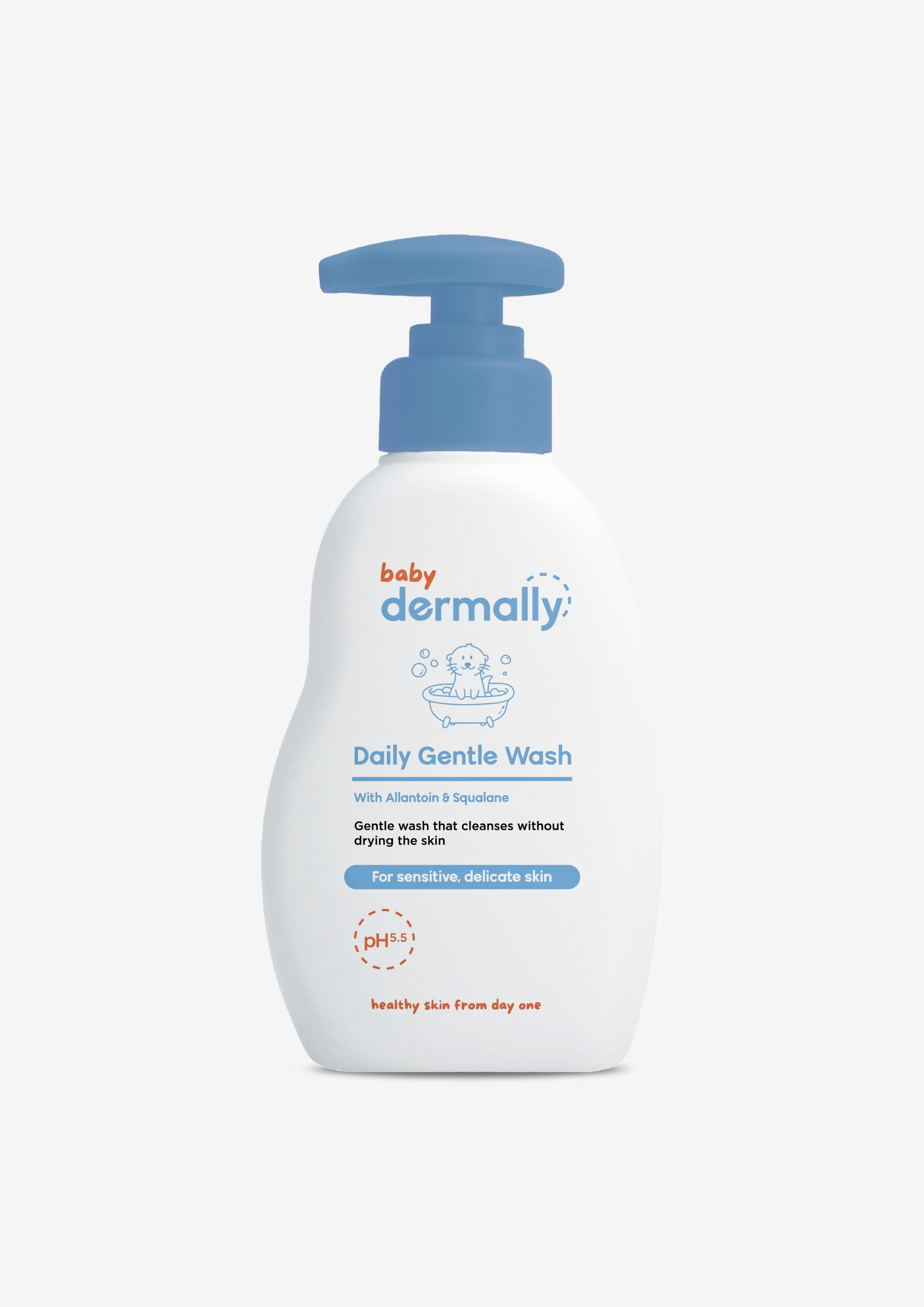
Our skin responds differently every day to internal and external factors. Have you ever felt tightness after washing, experienced breakouts despite cleansing thoroughly, or struggled with persistent dryness? These are often signs of a weakened skin barrier, the result of using unsuitable cleansers that disrupts your skin's natural pH level and strips away natural oils, leaving skin vulnerable in bad conditions (e.g. irritation, inflammation and dehydration). Why Not All Cleansers Work The Same For Your Skin Suitable products will support your skin barrier, while unsuitable products could have an adverse effect.Each of them varies in: Types of texture (gel, cream, foam, oil and syndet) Active ingredients pH level Targeted skin concerns Our skin barrier’s pH level lays around a slightly acidic pH of 4.5 to 5.5. Hence, when a product contains active ingredients that’s too harsh on the skin or pH level that’s too alkaline, this can weaken the skin barrier, especially in humid climates and if you have sensitive skin. Understanding this connection brings a step toward choosing products that support your skin type. Factors to Consider When Choosing a Suitable Cleanser Types of Cleansers and Their Benefits For Dry, Sensitive, Eczema-prone or Compromised Skin If you’re getting a “tight” or "squeaky clean” feeling after every wash, it’s actually a warning sign that your skin’s moisture and natural oil have been stripped away by these harsh cleansers. Designed to break this cycle, our Dermally Hydrating Barrier Wash is a pH balanced formula that works to prevent dryness and irritation, making it a gentle and reliable choice for daily use on both face and body. The key to lasting comfort is a thoughtful blend of skin-loving actives. Panthenol and Vitamin E combine together to help your skin recover from daily environmental stress by supporting skin barrier repair and providing antioxidant protection. Meanwhile, Saccharide Isomerate pairs with Glycerin to pull moisture deep into the skin for long-lasting hydration, leaving your skin feeling calm, soft and resilient over time. For Oily, Acne-Prone, Body Acne or Clogged Pores Dealing with breakouts often feels like a battle, but the secret to clear skin doesn’t have to be difficult. Try out our Dermally Acne Face & Body Wash that contains actives targeted for acne care, ensuring your skin feels refreshed and calm while providing gentle cleansing and skin recovery. To achieve such results, we’ve powered our formula with a blend of beneficial actives, such as Salicylic Acid to unclog your pores, reduce excessive sebum and exfoliate dead skin cells, paired with Tea Tree Oil to provide essential antibacterial support. We’ve paired CICA (Centella Asiatica) complex and Panthenol to allow the actives to work effectively and lock in moisture while keeping your skin feeling calm. For Babies and Toddlers of All Skin Types Babies and toddlers tend to lose moisture far more rapidly due to their skin barrier being thinner and more delicate than adults, making it prone to dryness and irritation. Our Baby Daily Gentle Wash offers a mild and non-irritating formula that preserves the natural skin barrier. Formulated for newborns, our wash is powered with the most comforting ingredients you could find, such as Star Anise and Allantoin provide natural soothing properties to calm and soften skin, whereas Squalane mimics the skin’s natural oils to support and reinforce the skin’s moisture barrier, along with Vitamin E, our antioxidant protection ingredient to protect baby’s skin from environmental stresses. Our Baby Daily Gentle Wash is more than just a cleanser, it’s also a way to ensure that even the most delicate skin stays resilient, soft and hydrated all the time, allowing them to enjoy every moment of their bath time. Common Mistakes When Choosing A Cleanser Your skincare should be your skin’s best friend and not its biggest rival. When we choose our cleanser based on the wrong criteria, no matter how potent your actives or how rich your toner and moisturizers are, they’re unable to perform their best on a skin barrier that has been compromised. Let's stop this cycle and dive into some of the most common mistakes you might be making. Choosing a body wash based on only texture, rather than the ingredients Picking a body wash that does not match your skin type Using an adult cleanser on babies Ignoring skin irritation and tightness after every shower Switching to different cleansers too frequently Once we move past the common mistakes above, let’s check out how our skin behaves in less than five minutes after we’ve patted it dry from washing. One of the most simple ways to know is when your skin feels gentle and leaves your skin in a state of equilibrium. Your skin should feel: Clean but not tight Calm with no signs of redness and irritation Skin is in a balance state that’s neither oily nor dry If you ever feel that your skin is consistently itchy, tighter and more inflamed after washing, it’s a clear signal that the skin barrier (your first line of defence) is being attacked by pathogens. Reassessing skincare products is crucial to restoring your skin barrier and ensuring the next step of skincare products works effectively altogether. Why Our Choice On Cleansers Matters More Than You Think With hundreds of bottles promising everything from “glowing skin” to “pore-shrinking miracles”, it’s definitely tempting to grab whatever is on sale at that moment, or selecting products based on how it smells, rather than what your skin needs. However, beneath all the fantasy bubbles, cleansing, the first step in our skincare routine, influences & makes the most difference in our routine. | One step can make all the difference Most of us rush through the cleansing step, treating it like a house chore, when in reality it will determine how well your other skincare products (e.g. serums and sunscreen) will perform. Acquiring the right wash doesn’t just help cleanse your skin, it also helps prepare a healthier skin barrier, hence the pH level of your wash matters more than you think. While it’s easy to view cleansers and body washes as a “wash-off” product, where their presence doesn’t really matter as they won’t stay on the skin for long, the wrong pH level or harsh ingredients can cause damage to your skin that takes up to weeks or even months for your skin to repair.
Learn more
Do You Have Sensitive Skin - or Sensitised Skin?
If your skin stings, burns, or reacts easily, you might assume you have sensitive skin - but that’s not always the case. Discover the difference between sensitive and sensitised skin, and why the distinction matters.
Learn more
Xerosis (Extremely Dry Skin): Causes, Symptoms & How to Care for It
Your complete guide to understanding dry, flaky, itchy skin and how to restore comfort with a gentle cleanse-and-care routine. Dry skin is something almost everyone experiences at some point, but when dryness becomes persistent, flaky, itchy, or uncomfortable, it may be more than just dehydration — it may be xerosis. Xerosis is a common skin condition affecting people of all ages, including babies, adults, and seniors. The good news? With the right daily routine and barrier-supporting skincare, xerosis can be managed effectively. This guide breaks down what xerosis is, what causes it, and how to care for it using Dermally Hydrating Barrier Wash and Dermally Intensive Barrier Repair Lotion. What is Xerosis? Xerosis is the medical term for abnormally dry skin caused by a weakened or compromised skin barrier. When the skin can’t hold onto enough moisture, it becomes: Flaky Rough Tight or itchy Cracked or scaly Sensitive or irritated The skin barrier’s main role is to retain moisture and protect against irritants, but when this barrier is damaged, moisture escapes — a process known as Transepidermal Water Loss (TEWL) leading to chronic dryness. Common Causes of Xerosis Xerosis is often triggered by a combination of environmental and lifestyle factors. Some of the most common include: 1. Low Humidity & Weather ChangesAir-conditioning, cold climates, or dry environments pull moisture out of the skin. 2. Hot Showers & Over-BathingLong, hot showers strip away natural oils essential for barrier function. 3. Harsh CleansersSoaps or body washes with sulfates, alcohol, or strong fragrances worsen dryness. 4. Ageing SkinMature skin naturally produces less oil, making xerosis more likely to occur. 5. Eczema or Skin ConditionsIndividuals with eczema-prone skin are more sensitive and more prone to barrier disruption. 6. Medical FactorsCertain medications or health conditions (e.g., diabetes, kidney conditions) can worsen dryness. Knowing the cause helps you build a better routine..but the foundation of xerosis care is always the same: gentle cleansing + intensive barrier repair. Symptoms to Look Out For: You may be experiencing xerosis if you notice: Early care prevents dryness from developing into irritation or inflammation. Daily Tips to Prevent Xerosis from Returning Limit hot showers — choose lukewarm water Use a humidifier if you’re in air-conditioned environments Moisturise more often during flare-ups Avoid scratching (it worsens barrier damage) Wear breathable fabrics like cotton Stay hydrated throughout the day Your Daily Xerosis Routine with Dermally Xerosis Can Be Managed with the Right Routine Xerosis doesn’t have to be a constant battle. With gentle cleansing, the right ingredients, and a strong focus on daily barrier repair, your skin can return to feeling soft, smooth, and comfortable. A two-step routine using Dermally Hydrating Barrier Wash + Dermally Intensive Barrier Repair Lotion designed to work together as a complete barrier-care system: Cleanse without stripping the skin barrier Hydrate deeply Restore and protect the skin barrier Reduce flakiness, itch, and tightness Support long-term skin health for all ages Healthy skin begins with a healthy barrier and with Dermally, caring for xerosis is simple, gentle, and clinically thoughtful. Step 1: Cleanse Gently with Dermally Hydrating Barrier Wash Your cleanser sets the foundation for healthy skin. Regular soaps or foaming washes can worsen dryness by stripping the natural sebum produced by your skin. Why it works for Xerosis Panthenol: Helps soothe dryness and maintain moisture Vitamin E: Protects and supports skin repair Non-tight, non-squeaky finish: Prevents barrier disruption after shower Step 2: Repair & Replenish with Dermally Intensive Barrier Repair Lotion Moisturising is the most important step for tackling xerosis. Dermally’s Repair Lotion delivers long-lasting hydration while repairing the skin barrier. Key Barrier-Restoring Ingredients 10% Urea: Deeply hydrates and softens rough, dry skin 5x Ceramides: Help restore the skin barrier and prevent water loss Salicylic Acid: Smooths rough, bumpy skin How to use: Apply immediately after cleansing to lock in hydration. Reapply to very dry areas 2–3 times a day. When to See a Doctor If your dryness is accompanied by severe itch, cracking, bleeding, or persistent eczema patches, consult a dermatologist. Xerosis is manageable at home, but chronic or inflamed skin may require medical treatment.
Learn more
Baby Bath Time Routine: A Gentle Skincare Guide for Healthy Skin
How to Build a Safe and Soothing Bath Routine for Your Little One Healthy baby skin starts with one simple habit, and that is choosing the right routine and products that matter. Compared to adults, the baby's skin loses moisture faster and reacts to allergens more easily, hence they need extra protection to protect their delicate skin. If you're looking for a simple bath routine that keeps your baby’s skin calm, hydrated, and resilient, this guide covers everything you need to know. Understanding Your Baby's Delicate and Sensitive Skin A baby’s skin is thinner and more sensitive than an adult’s. This means: It loses moisture easily It’s more prone to irritation It needs pH-balanced, ultra-gentle formulas A good bath routine supports the baby's healthy skin barrier, reduces discomfort, and prevents common issues like dryness, flakiness, and sensitivity. Step-by-Step Baby Bath Time Routine 1. Start With a Mild, pH-Balanced Baby Wash Look for a cleanser that is gentle, soap-free, and enriched with skin-loving ingredients, especially if your baby has sensitive skin. Recommendation: Dermally Baby Daily Gentle WashIts ultra-gentle formula cleans without disrupting the natural moisture barrier.Perfect for everyday use, for newborns, toddlers, and kids up to 12 years old. Key Ingredients & Benefits: Star Anise Extract: Natural soothing properties that help calm irritation.Squalane: Mimics skin’s natural oils, keeping it soft and nourished.Vitamin E: Provides antioxidant protection while preventing dryness.Allantoin: Helps to soothe and protect sensitive skin. 2. Keep Bath Time Short and Warm To maintain your baby’s natural oils and prevent skin from losing excessive moisture, always use lukewarm water and aim to keep bath time brief, lasting no more than five to ten minutes. 3. Pat Dry, Don’t Rub Gently pat your baby’s skin with a soft towel, do not rub harshly as it will damage the skin's natural protective barrier, leading to irritation and dryness. 4. Moisturize Immediately After Bath Babies lose water quickly through their skin after bathing. Using a nourishing lotion right away is essential as it helps lock in hydration and strengthen their skin barrier. Recommendation: Dermally Baby Daily Moisturizing LotionA lightweight yet deeply hydrating lotion to nourish baby's sensitive skin.Perfect for preventing dryness, flakiness, and sensitivity flare-ups. Key Ingredients & Benefits: Glycerin: Draws moisture into the skin for lasting hydration.Ceramide NP: Helps repair and reinforce the skin barrier.Sweet Almond Oil & Shea Butter: Smooth, soften, and protect baby's skin.Panthenol: Calms irritation and reduces redness.Squalane: Adds a layer of natural-feeling moisture without heaviness. 5. Protect Against Diaper Rash With a Barrier Cream After moisturizing the body, apply a nappy barrier cream to protect the most sensitive areas, such as the buttock and the folds of the skin. Babies are prone to diaper rash due to constant moisture, friction, and exposure to irritants, and a barrier cream acts like a protective shield to keep their skin calm and comfortable. Recommendation: Dermally Daily Nappy Barrier CreamUsing a barrier cream daily even when there's no rashes helps prevent discomfort before it starts.It's especially important at night or during longer diaper-wearing periods. Key Ingredients & Benefit Titanium Dioxide: Creates a protective barrier that repels moisture and reduces irritation from prolonged diaper wear.Panthenol (Vitamin B5): Helps soothe inflamed skin and speeds up natural recovery.Glycerin: Relieves dryness and keeps skin soft and moisturized.Squalane: Restores lost moisture and strengthens the baby’s natural skin barrier.Vitamin E: Acts as an antioxidant for skin repair Tips for a Comfortable Bath Time Experience Avoid hot water Choose breathable cotton clothing after bath Keep post-bath skincare simple and consistent Stay close and enjoy bonding moments A Gentle Routine Builds Stronger Skin Beyond cleansing, each soothing application and gentle routine is a powerful act of care that actively protects your baby's first line of defense and cultivates a sense of security. This consistent and loving attention with gentle skincare supports healthy skin development by keeping delicate skin moisturized and reducing irritation over time. Our products are dermatologically tested and specially made for sensitive skin, giving your little ones the strongest protection through the softest touches.
Learn more
The Microbiome Balance: What Is It? Why Does It Matter?
Healthy skin isn’t just about what we see - it’s about balance beneath the surface. Discover how the skin and vaginal microbiomes work to protect and soothe, and why caring for them gently is key to lasting comfort.
Learn more
How to Get Rid of Back Acne (Bacne) with the Right Body Wash
Back acne, often called “bacne” is more common than you think. Just like facial acne, it’s caused by clogged pores, excess oil, bacteria, and inflammation. The skin on your back is thicker and more prone to sweat, friction, and product buildup, which can make breakouts stubborn and persistent. The good news? Using a body wash formulated with targeted, acne-fighting ingredients can help control and reduce bacne effectively. Why Does Bacne Happen? Your skin naturally produces a protein called keratin to protect your skin. A buildup of excess keratin creates a hard plug that blocks the hair follicle, leading to keratosis pilaris. This process can be influenced by: Excess oil (sebum): Overactive oil glands clog pores, leading to pimples. Sweat + friction: Trapped sweat under tight clothing or sports gear creates “acne mechanica.” Dead skin buildup: Without regular exfoliation, pores get blocked. Bacteria Overgrowth: Cutibacterium acnes (C. acnes) multiplies in clogged pores, causing inflammation. Hormones: Fluctuations boost oil production, triggering breakouts. Lifestyle habits: Heavy lotions, hair products, dirty sheets, or not showering after workouts can worsen bacne. Best Ingredients for Treating Back Acne When choosing a body wash, look for a formula that combines exfoliating, antibacterial, and calming ingredients. Here’s what to keep an eye out for: 1. Tea Tree Oil A natural antibacterial agent that reduces acne-causing bacteria. Helps calm redness and inflammation. 2.Salicylic Acid (BHA) A pore-clearing exfoliant that dissolves oil and unclogs blackheads & whiteheads. Prevents new breakouts from forming. 3. Panthenol (Pro-Vitamin B5) Soothes irritation and supports healing. Keeps skin hydrated, preventing over-drying. 4. Cica Complex (Centella Asiatica Extract) Repairs and calms the skin barrier. Reduces inflammation and redness from acne. Introducing Dermally Acne Face & Body Wash One of the most effective ways to treat bacne is by choosing a cleanser formulated specifically for oily and acne-prone skin. Dermally Acne Face & Body Wash pH 5.5 is designed to target bacne while maintaining a healthy skin barrier. Why It Works for Bacne ✅ pH 5.5 – Maintains a healthy skin barrier while being gentle on sensitive, acne-prone skin ✅ Removes Excess Sebum – Clears away oil buildup that clogs pores. ✅ Cleanses Impurities – Effectively washes off sweat, dirt, and bacteria. ✅ Exfoliates Sticky Dead Skin Cells – Prevents clogged pores for smoother skin. ✅ Clear Complexion Care – Promotes fresher, calmer, and clearer-looking skin. With consistent use, Dermally Acne Face & Body Wash helps restore balance, reduce breakouts, and support a clearer complexion. How to Use for Best Results Use daily on both face and body. After workouts or sweating, cleanse to prevent pore buildup. Leave the lather on your back for 1–2 minutes before rinsing. Extra Tips to Prevent Bacne Shower after exercise to remove sweat and bacteria. Wear breathable fabrics and avoid tight clothing. Change sheets and pillowcases regularly. Keep hair products away from your back (they can clog pores). Back acne can be stubborn, but it’s treatable with the right approach. By using a body wash enriched with Tea Tree Oil, Salicylic Acid, Panthenol, and Cica Complex, like Dermally Acne Face & Body Wash pH 5.5, you can gently cleanse, protect your skin barrier, and reduce breakouts over time. Consistency is key! Pair your cleanser with healthy habits, and clearer skin is within reach.
Learn more